Sedan or SUV What You Need to Know Before Deciding in 2026
New Cars
|
April 6, 2026
The sedan vs SUV debate has been running for over a decade, and it still trips people up at the dealership. Both body styles have genuinely strong cases in 2026, and the right answer depends almost entirely on how you actually use a vehicle.
Skip the generalizations. Here is the practical breakdown that actually helps you decide.
1. The Price Gap Is Real and It Matters
Start with money, because it shapes everything else. Comparable sedans consistently cost less than their SUV counterparts from the same brand. A 2026 Honda Accord Sport Hybrid starts around $33,500. The CR-V Hybrid Sport, which shares platform DNA, starts near $35,000. That gap widens further up the trim ladder.
Over a five-year ownership period, the sedan vs SUV cost difference compounds through insurance premiums, fuel costs, and depreciation rates. Sedans generally depreciate more slowly in percentage terms when they carry strong brand reputations, though SUVs hold absolute dollar value better due to higher starting prices.
2. Fuel Economy Still Favors Sedans
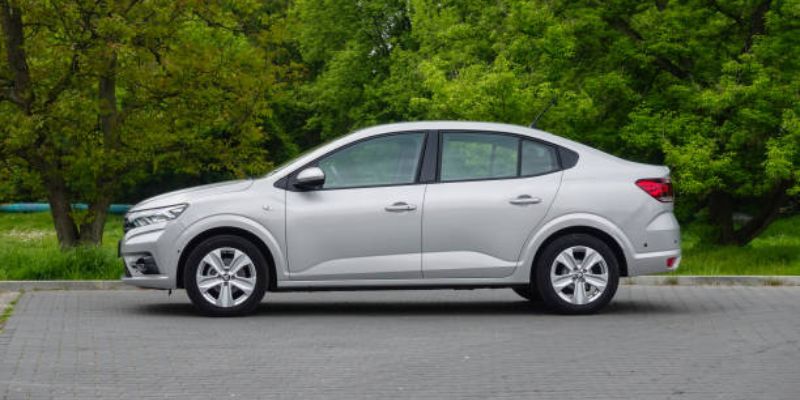
The physics of vehicle weight and aerodynamic drag have not changed. Sedans are lighter and more aerodynamic than SUVs of equivalent powertrain size, which translates directly to better fuel economy across almost every comparison. The 2026 Toyota Camry Hybrid returns around 51 MPG combined. The RAV4 Hybrid, also a Toyota product with a similar hybrid system, returns around 40 MPG combined.
That 11 MPG difference adds up meaningfully over 15,000 annual miles. At current average U.S. gas prices [1], a driver covering that distance saves roughly $300 to $500 per year in fuel costs by choosing the sedan. Over five years, that is real money.
3. Cargo Space Is More Complicated Than It Looks
Most people assume SUVs automatically win on cargo. That is only partially true. A 2026 Honda Accord offers 16.7 cubic feet of trunk space, which handles most grocery runs and weekend bags without issue. The Honda CR-V offers around 39.2 cubic feet behind the rear seats, expanding to 76.5 cubic feet with seats folded.
The sedan vs SUV cargo question really comes down to cargo shape rather than volume alone. SUVs carry tall, awkward items like strollers, flat-packed furniture, or sporting equipment that simply cannot fit in a sedan trunk regardless of cubic footage. If that kind of hauling happens regularly in your life, the SUV wins this category outright.
4. Ride Height Changes More Than You Think
Sitting higher in an SUV genuinely affects daily driving comfort in ways that are hard to appreciate until you have switched between both. Easier entry and exit, better forward visibility in traffic, and a sense of road presence all register as meaningful quality-of-life differences, particularly for older drivers or anyone with knee or hip mobility concerns.
Sedans sit lower, which makes them feel more planted and precise through corners. Sports sedans like the Genesis G70 or Kia K5 GT exploit that lower center of gravity for genuine driving enjoyment. The sedan vs SUV dynamic feel difference is not subtle, and it is worth a test drive on a road you actually know.
5. Safety Ratings in 2026 Are Closer Than Ever
A persistent belief holds that SUVs are inherently safer because of their size. The reality in 2026 is more nuanced. The Insurance Institute for Highway Safety rates multiple sedans as Top Safety Pick Plus alongside their SUV counterparts. The 2026 Honda Accord, Toyota Camry, and Hyundai Sonata all carry top-tier safety ratings that match or exceed many compact SUVs.
Where SUVs retain a genuine safety advantage is in multi-vehicle crashes involving smaller vehicles. Mass and height do provide some protection in those specific collision scenarios. But for single-vehicle incidents and front-overlap crashes, modern sedans perform extremely well, and the sedan vs SUV safety gap has narrowed considerably since 2020.
6. Parking and Maneuverability in Urban Areas
This point gets overlooked constantly, and it should not. If you live in a city or dense suburb, the size difference between a sedan and a compact SUV matters every single day. Parallel parking a 2026 Toyota Camry versus a Toyota RAV4 is a noticeably different experience, with the sedan being shorter, narrower, and easier to place precisely.
Multi-story parking garages, tight residential streets, and congested urban lots all reward a smaller footprint. Drivers who have switched from sedans to SUVs in city environments frequently report mild but persistent frustration with maneuvering that they did not anticipate before purchase.
7. The All-Wheel Drive Argument
AWD availability is one of the most cited reasons people choose SUVs, but it is worth checking whether a sedan with AWD serves your actual needs just as well. The 2026 Subaru Legacy comes standard with symmetrical AWD and starts around $25,000. The Kia K5 GT comes with AWD for around $34,500. Several sedan options now include AWD that would have been SUV-exclusive five years ago.
If your primary AWD justification is winter driving on plowed roads rather than serious off-road capability, a sedan with AWD handles that use case competently. The sedan vs SUV AWD comparison only decisively favors the SUV when ground clearance is genuinely needed for unpaved terrain or deep snow accumulation above six inches.
8. Family Considerations That Actually Matter
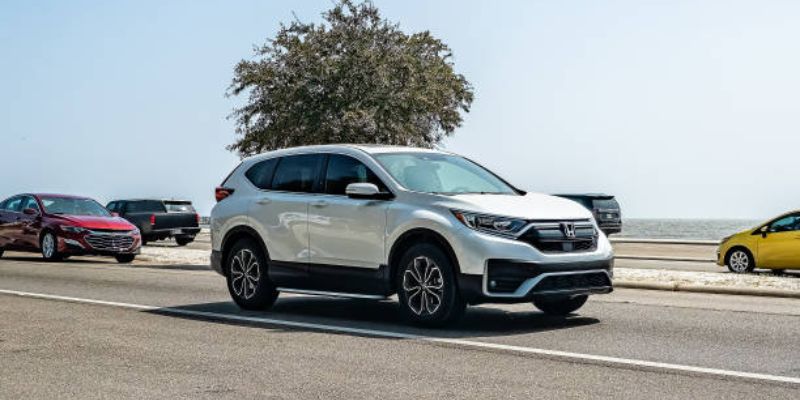
Families with young children often default to SUVs, and the reasoning is legitimate in several specific ways. Installing rear-facing car seats is physically easier in a vehicle with more door height and interior space. The NHTSA guidelines [2] on car seat installation consistently note that proper fit depends partly on vehicle interior dimensions, and compact sedans can create fitment challenges for larger infant seat bases.
Three-across car seat arrangements, which some families need, are rarely feasible in sedans. The rear seat width in most midsize sedans simply does not accommodate three child safety seats side by side. If that configuration applies to your household, the SUV is not just preferable, it may be the only practical option.
9. Resale Value: Reading the Market Correctly
SUVs currently command stronger resale values in absolute dollar terms, largely because their purchase prices are higher. But percentage-retained value tells a more nuanced story. The 2026 Toyota Camry consistently retains around 52 to 55 percent of its value at three years, which is competitive with midsize SUVs in its segment.
Brand reliability reputation drives resale value more than body style in most segments. A well-maintained Honda Accord from a trusted ownership history will outperform a neglected compact SUV from a brand with reliability concerns at auction. The sedan vs SUV resale calculation should always incorporate brand and model-specific data rather than category generalizations.
10. Hybrid and EV Options Across Both Categories
The electrification argument used to favor SUVs because the EV and hybrid options were more abundant in that segment. That has changed substantially by 2026. Hybrid sedans from Toyota, Honda, Hyundai, and Kia now represent some of the most fuel-efficient vehicles available at any price point.
The 2026 Toyota Prius Prime PHEV returns around 52 MPG combined on gas with 44 miles of electric-only range. No hybrid SUV at a comparable price point matches those numbers. For buyers where fuel economy data [3] is the primary deciding factor, the sedan side of the sedan vs SUV comparison holds a meaningful and growing advantage in hybrid configurations.
Making the Decision With Clarity
The sedan vs SUV decision gets easier when you stop comparing categories and start comparing your specific life against specific vehicles. Write down your three most common use cases for a vehicle this week. If two of the three involve cargo over 40 cubic feet, frequent AWD in unpaved conditions, or regular rear-seat access with car seats, the SUV is probably right for you.
If your three common uses are highway commuting, city parking, and occasional grocery runs, the sedan delivers more of what you need at a lower cost and better fuel economy. Test drive both before deciding, preferably on roads you drive every week rather than a dealership parking lot. The difference in feel, comfort, and practicality will become obvious far faster than any comparison article can convey.
References
[1] U.S. Energy Information Administration – https://www.eia.gov
[2] National Highway Traffic Safety Administration – https://www.nhtsa.gov
[3] U.S. Department of Energy Fuel Economy Guide – https://www.fueleconomy.gov
Related Posts

How To Choose the Right Windshield Wipers for Your Car Model

Top 10 Upcoming SUVs Everyone Is Waiting For in 2026 and Beyond

How To Choose a Car Phone Holder That Won't Fall Off on Rough Roads

10 Must-Have Car Accessories for Rainy Season That Actually Keep You Safe

The Best New Cars for Business Owners in 2026 Smart Picks That Work as Hard as You Do